Iran’s Supreme Leader Ali Khamenei Dismisses Protesters as Trump Supporters
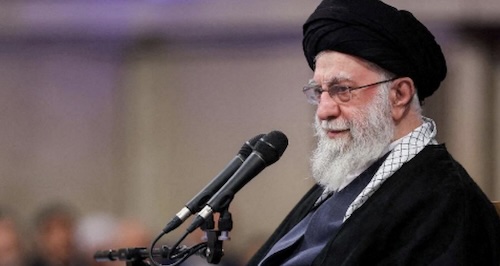
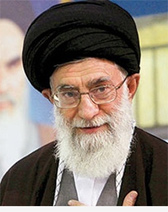
Iran’s Supreme Leader Ali Khamenei has dismissed ongoing anti-government protests as acts of vandalism carried out by “troublemakers” seeking to please the president of the United States, as unrest across the country enters its 13th consecutive day. Speaking in a televised address from Tehran, Khamenei accused demonstrators of serving foreign interests and warned that the Islamic Republic would respond firmly to what he described as destructive elements.
The protests, which began on 28 December over worsening economic conditions, have escalated into the largest wave of unrest Iran has seen in years. What started as demonstrations against inflation, unemployment, and declining living standards has increasingly turned into open calls for the end of the Islamic Republic, with some protesters demanding the restoration of the monarchy. Human rights groups report that at least 48 protesters and 14 members of the security forces have been killed so far, while thousands more have been detained. An extensive internet blackout has been imposed, severely limiting communication and access to information inside the country.
In parallel with Khamenei’s remarks, Iran sent a formal letter to the United Nations Security Council accusing the United States of fuelling the unrest. The letter claims Washington has transformed protests into “violent subversive acts and widespread vandalism” through threats, incitement, and deliberate interference in Iran’s internal affairs. Iran’s UN ambassador said the country would not tolerate what it sees as foreign-backed destabilisation.
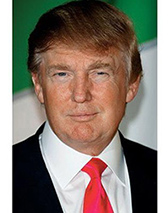
US President Donald Trump responded with sharply worded statements from the White House, warning that Iran was “in big trouble.” Trump said the United States was watching the situation closely and vowed to “hit them very hard where it hurts” if Iranian authorities continued to kill protesters. He stressed that any US involvement would not involve “boots on the ground,” but suggested that the scale of the protests was larger than many had anticipated just weeks ago.
Khamenei remained defiant, insisting that the Islamic Republic, which he said was founded on the blood of hundreds of thousands of people, would not retreat in the face of opposition. In a later appearance broadcast on state television, he doubled down on his warnings, stating that Iran “will not shirk from dealing with destructive elements” and signalling continued crackdowns by security forces.
According to the US-based Human Rights Activists News Agency, more than 2,277 people have been arrested since the protests began. The Norway-based Iran Human Rights organisation reported at least 51 deaths, including nine children, while BBC Persian has confirmed the identities of 22 victims through interviews with their families. International media, including the BBC, remain largely barred from reporting freely inside Iran.
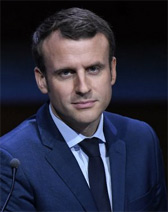
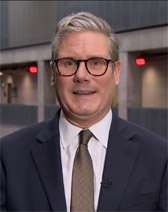
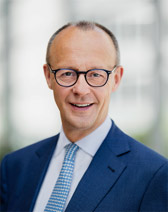
International concern has continued to mount. In a joint statement, the leaders of the United Kingdom, Germany and France condemned the killing of protesters and urged Iranian authorities to protect freedom of expression and the right to peaceful assembly. French President Emmanuel Macron, UK Prime Minister Keir Starmer and German Chancellor Friedrich Merz said Tehran had a responsibility to safeguard its own population. UN spokesperson Stéphane Dujarric echoed those concerns, stressing that people everywhere have the right to demonstrate peacefully and that governments must ensure that right is respected.
Meanwhile, Iran’s security institutions have issued coordinated warnings signalling zero tolerance. The country’s National Security Council announced that “decisive and necessary legal action” would be taken against what it described as armed vandals and disruptors of public order. The intelligence arm of the Islamic Revolutionary Guard Corps said it would not tolerate “terrorist acts” and vowed to continue operations until what it called the enemy’s plan was completely defeated.
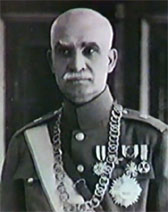
Adding another dimension to the crisis, Reza Pahlavi, the son of Iran’s last shah who was overthrown in the 1979 Islamic Revolution, called on Trump to be prepared to intervene in support of the Iranian people. Living near Washington, DC, Pahlavi has urged Iranians to continue taking to the streets, framing the protests as a historic opportunity for political change.
Related Biographies
Related News

Lamine Yamal
Professional footballer,

Erling Haaland
Professional footballer,

Kylian Mbappe
Professional footballer,

Bad Bunny
Rapper, Songwriter,

Austin Abrams
Actor,

Brad Pitt
Actor,


Hongjoong
Singer, Rapper, Songwriter, Composer

Ludacris
Rapper, Actor

Kwon Eunbi
Singer

Sarah Wayne Callies
Actress, Screenwriter, Producer, Director

LaTavia Roberson
Singer, Actress, Entrepreneur

Leonardo DiCaprio
Actor

Emma Watson
Actress
Erling Haaland
Professional footballer

Keanu Reeves
Actor
Lamine Yamal
Professional footballer

Vince Gilligan
Screenwriter, Director, Producer