
Protests Intensify in Tehran After Exiled Prince Reza Pahlavi Calls for Mass Demonstrations
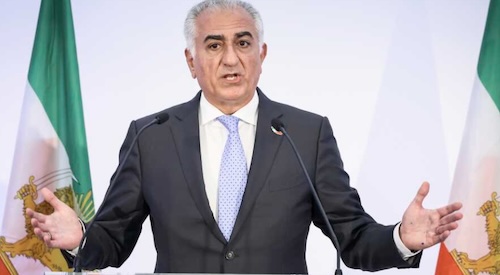
Protests in Iran’s capital escalated sharply after exiled crown prince Reza Pahlavi (2) urged citizens to take to the streets. Late Thursday night, residents across Tehran shouted slogans from their windows while thousands gathered in public spaces, according to eyewitnesses. Shortly after the demonstrations began, internet access and telephone services were widely disrupted across large parts of the country.
The demonstrations marked the first major test of Reza Pahlavi (2)’s ability to mobilize public support inside Iran. The son of the last shah, who fled the country shortly before the 1979 Islamic Revolution, has increasingly presented himself as a symbolic alternative to the current system. During the protests, chants praising the shah — once punishable by severe penalties — resurfaced, underscoring the depth of public anger driven by Iran’s worsening economic conditions.
The unrest in Tehran followed protests that erupted a day earlier in cities and rural towns nationwide. In several areas, markets and bazaars shut down in a show of solidarity with demonstrators. According to the U.S.-based Human Rights Activists News Agency, at least 41 people have been killed and more than 2,270 detained since the protests began.
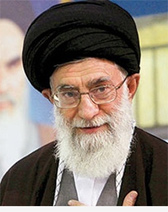
As demonstrations expanded, pressure intensified on Iran’s civilian government and its Supreme Leader, Ayatollah Ali Khamenei. Internet infrastructure company Cloudflare and monitoring group NetBlocks reported a nationwide outage, attributing it to government interference. Calls from abroad, including from Dubai, reportedly failed to connect — a pattern that in past unrest has often preceded severe crackdowns.
Despite the growing scale of the protests, the movement remains largely decentralized and lacks a clear leadership structure, raising questions about its long-term direction and whether appeals from exile can translate into sustained political change.
“The absence of a credible alternative has weakened past protest movements in Iran.” Nate Swanson, Atlantic Council
Reza Pahlavi (2) had called for demonstrations at 8 p.m. local time on Thursday and Friday. As the hour arrived, chants echoed across Tehran, including “Death to the dictator” and “Death to the Islamic Republic.” Some demonstrators openly praised the shah, shouting slogans such as “This is the final battle, Pahlavi will return,” with witnesses reporting that thousands poured into the streets.
“Great nation of Iran, the eyes of the world are upon you. Take to the streets and, as one united voice, demand your rights.” Reza Pahlavi (2)
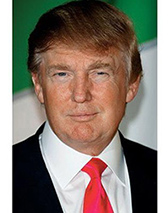
In his message, Pahlavi warned the Islamic Republic and the Revolutionary Guard that the international community — including Donald Trump — was closely watching developments. Iranian authorities appeared to treat the planned demonstrations seriously. The hard-line Kayhan newspaper published footage claiming security forces would use drones to identify protesters.
Officials have not acknowledged the overall scale of the unrest, though multiple reports indicate casualties among security personnel. Judiciary-linked outlet Mizan said a police colonel died from stab wounds near Tehran. Fars News Agency reported that two security force members were killed and 30 wounded in a shooting in Lordegan, while state television said five people died during an attack on a police station in Chenaran. The Revolutionary Guard later announced that two of its members were killed in Kermanshah.
Iran has experienced repeated nationwide protests in recent years, often triggered by economic pressure and political frustration. After sanctions tightened and the country struggled in the aftermath of recent conflicts, the national currency collapsed in December, with the rial falling to around 1.4 million to the dollar — a shock that helped ignite the latest wave of unrest.
Last week, Donald Trump warned that if Tehran “violently kills peaceful protesters,” the United States “will come to their rescue.” Iran’s Foreign Ministry dismissed the remarks as hypocritical, citing Washington’s history of intervention. Despite the rebuke, the U.S. State Department continued to highlight social media footage showing protesters discarding government-subsidized rice and renaming streets after Trump.
Meanwhile, Nobel Peace Prize laureate Narges Mohammadi remains imprisoned following her December arrest. Her son, Ali Rahmani, said the current demonstrations echo earlier uprisings, driven by the same core demands: an end to the Islamic Republic and the clerical system that governs Iran.
Related Biographies
.jpg)
Related News

Giorgia Meloni
Politician, Journalist,

Pedro Sanchez
Politician,

Gustavo Petro
Politician, Economist, President,

Alain Delon
Actor, Director, Producer, Screenwriter,

Nicolas Maduro
Head of State, Politician,

Bad Bunny
Rapper, Songwriter,

Thylane Blondeau
Model, Actress

John C. Reilly
Actor, Singer

Hector Lavoe
Singer, Musician

Sergei Bodrov
Film Director, Producer

Carrie Coon
Actress

John Krasinski
Actor, Director
Giorgia Meloni
Politician, Journalist

Zlatan Ibrahimovic
Professional footballer

Timothee Chalamet
Actor

Anjelica Huston
Actress, Film Director

Arnold Schwarzenegger
Actor, Politician, Producer

Claudia Sheinbaum
President, Politician, Scientist, Academic