
World Leaders Respond to the U.S.–Israeli Strikes on Iran and Death of Ali Khamenei
Sunday 01 March 2026
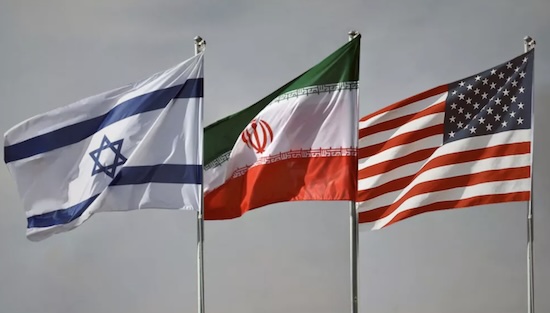
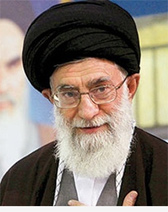
The international community has reacted strongly and with deep concern following the joint U.S. and Israeli military strikes against Iran that reportedly killed Supreme Leader Ali Khamenei on February 28, 2026. Responses from governments and global organizations range from urgent calls for restraint and diplomacy to outright condemnation and warnings about wider conflict.
António Guterres Warns of Escalation
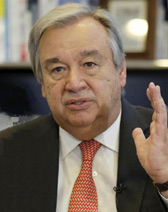
António Guterres, Secretary-General of the United Nations, condemned the military escalation and stressed that the conflict threatens global peace and security. He urged all parties to immediately halt hostilities and pursue diplomatic channels to prevent further civilian casualties and regional destabilization, underlining that international humanitarian law must be upheld.
European Leaders Call for Diplomacy
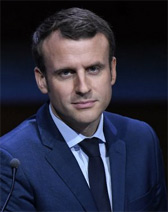
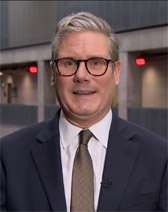
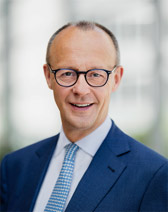
Emmanuel Macron, President of France, joined Friedrich Merz, Chancellor of Germany, and Keir Starmer, Prime Minister of the United Kingdom, in calling for urgent de-escalation. In a coordinated European response, the three leaders emphasized the protection of civilian life and warned that continued military confrontation could destabilize the broader Middle East and global energy markets.
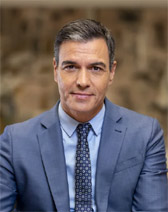
Separately, Pedro Sanchez, Prime Minister of Spain, criticized the strikes as a unilateral action that increases regional instability and urged a return to negotiations.
Condemnation from Vladimir Putin and Global Powers
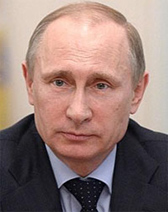
Vladimir Putin, President of Russia, described the strikes as a preplanned and unprovoked act of aggression against a sovereign state. Moscow warned that such actions violate international principles and risk severe humanitarian and geopolitical consequences. Russian officials stated that they are prepared to support diplomatic mediation efforts to prevent further escalation.
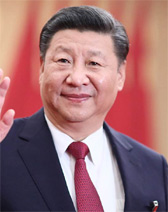
Xi Jinping, President of China, also called for an immediate halt to military operations and emphasized that Iran’s sovereignty and territorial integrity must be respected. Beijing warned that instability, particularly around the Strait of Hormuz, could have serious consequences for global trade and energy supply chains.
Reactions from Asia and Latin America
Ishaq Dar, Deputy Prime Minister and Foreign Minister of Pakistan, strongly condemned the strikes, calling them unwarranted and urging all sides to cease escalation and resume diplomatic engagement.
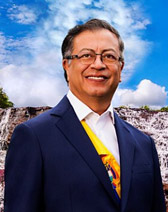
Gustavo Petro, President of Colombia, criticized the reported attack on civilian infrastructure, describing it as a grave violation of humanitarian norms and expressing solidarity with innocent victims.
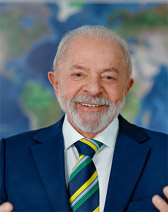
In Brazil, President Luiz Inacio Lula da Silva issued a statement condemning the military action and called for restraint, stressing the importance of dialogue and adherence to international law.
Western Security Concerns and NATO Context
Several Western governments, including members of NATO, acknowledged heightened security concerns related to Iran’s regional activities and nuclear ambitions. While not all member states endorsed the strikes, alliance discussions have reportedly focused on preventing further destabilization and protecting allied interests in the region.
The divergence in global responses highlights a deeply fractured international landscape. While some leaders frame the strikes as part of broader security efforts, many others stress the urgent need for diplomacy to avoid a wider regional war. As tensions remain high, diplomatic initiatives through the United Nations and allied frameworks are expected to intensify in the coming days.
Related Biographies
Related News
Popular
New
Trending

Giorgia Meloni
Politician, Journalist,

Pedro Sanchez
Politician,

Gustavo Petro
Politician, Economist, President,

Alain Delon
Actor, Director, Producer, Screenwriter,

Nicolas Maduro
Head of State, Politician,

Bad Bunny
Rapper, Songwriter,

Thylane Blondeau
Model, Actress

John C. Reilly
Actor, Singer

Hector Lavoe
Singer, Musician

Sergei Bodrov
Film Director, Producer

Carrie Coon
Actress

John Krasinski
Actor, Director

Brigitte Bardot
Actress
Pedro Sanchez
Politician
Nicolas Maduro
Head of State, Politician
Thylane Blondeau
Model, Actress

Maria Corina Machado
Politician, Political Activist
Giorgia Meloni
Politician, Journalist