
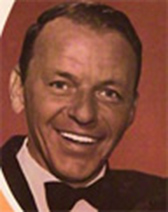
Frank Sinatra
The Voice, Ol’ Blue Eyes, Chairman of the Board
Born on December 12, 1915
Died on May 14, 1998
Age at death: 83
Profession: Singer, Actor
Place of Birth: Hoboken, New Jersey, United States
Place of Death: Los Angeles, California, United States
Frank Sinatra, born Francis Albert Sinatra, was an American singer and actor who became one of the most influential entertainers of the 20th century. Celebrated for his smooth, flexible baritone voice and unmatched phrasing, Sinatra shaped modern popular singing and redefined the relationship between popular music, cinema, and celebrity culture.
Frank Sinatra was born on 12 December 1915 in Hoboken, New Jersey, United States. He was the only child of Italian immigrants Antonino Martin Sinatra, a Sicilian-born foreman and amateur boxer, and Natalie Della Garaventa. Raised in a working-class environment, Sinatra developed an early interest in music and performance.
In 1931, inspired by performers he admired and with the encouragement of his mother, Sinatra left high school to pursue music. He began singing professionally around 1936. On 8 September 1937, he won an amateur talent contest with the vocal group he founded, The Hoboken Four, marking his first public success.
In July 1939, Sinatra recorded his first song, From the Bottom of My Heart. Soon after, he was recruited by trumpeter Harry James and later joined the Tommy Dorsey Orchestra, where he performed between 1940 and 1942. Under Dorsey’s mentorship, Sinatra refined his breath control and phrasing, techniques that would become hallmarks of his style.
On 31 December 1942, Sinatra appeared as a solo singer on the radio program Your Hit Parade, achieving nationwide fame. His popularity surged, particularly among young audiences, and his voice quickly became synonymous with emotional intimacy and romantic expression.
Alongside his music career, Sinatra achieved major success as a film actor. After early musical roles, his career reached a turning point in 1953 when he won the Academy Award for Best Supporting Actor for his dramatic performance as Angelo Maggio in From Here to Eternity. This role established him as a serious actor and revitalized his Hollywood career.
During the 1950s and 1960s, Sinatra became the central figure of the legendary Rat Pack, performing and socializing with Dean Martin and Sammy Davis Jr.. Their appearances—especially in Las Vegas, Nevada—defined an era of live entertainment and helped establish the city as the entertainment capital of the world.
Sinatra’s most influential recordings were produced during his tenure with Capitol Records, where he pioneered the modern “concept album,” crafting records built around cohesive emotional and narrative themes. Seeking full artistic independence, he later founded his own label, Reprise Records, becoming one of the first major artists to control his recordings and career direction.
By the late 20th century, Sinatra’s legacy included nine Grammy Awards, one Academy Award, more than sixty films, 578 officially released songs, and over 1,800 recorded tracks. Among his most iconic recordings are My Way, Strangers in the Night, Something Stupid, All the Way, The Lady Is a Tramp, I’m a Fool to Want You, New York, New York, Witchcraft, and How Insensitive. The song Strangers in the Night became a global chart-topper and earned him a gold record.
Known worldwide by the nicknames “The Voice” and “Ol’ Blue Eyes,” Sinatra also earned the title “Chairman of the Board,” reflecting his authority and status within the entertainment industry.
Sinatra was closely associated with American political and cultural life, particularly during the early 1960s, and maintained a high-profile relationship with John F. Kennedy during the so-called Camelot era.
In his personal life, Sinatra married his childhood sweetheart Nancy Barbato, with whom he had three children. As his fame grew, the marriage ended, and he later married actress Ava Gardner in a passionate but turbulent relationship that also ended in divorce. A brief marriage to actress Mia Farrow followed between 1966 and 1968. Sinatra ultimately found long-term stability in his final marriage to Barbara Sinatra, which lasted until his death.
Frank Sinatra died on 14 May 1998 in Los Angeles, California, after suffering a heart attack. At the time of his death, he left behind a multimillion-dollar media and business empire, including real estate interests, private aviation ventures, the Artanis record label, and other diversified investments.
Frank Sinatra remains a defining symbol of American music and cinema—an artist whose voice, style, and cultural influence continue to resonate across generations.
Source: Biyografiler.com
Frequently asked questions about Frank Sinatra
Who is Frank Sinatra?, Frank Sinatra biography, Frank Sinatra life story, Frank Sinatra age, Frank Sinatra facts, Frank Sinatra birthplace, Frank Sinatra photos, Frank Sinatra videos, Frank Sinatra career
Related Biographies

Lamine Yamal
Professional footballer

Erling Haaland
Professional footballer

Sam Altman
Entrepreneur, Investor, CEO

Kylian Mbappe
Professional footballer

Giorgia Meloni
Politician, Journalist

Alice Weidel
Politician, Economist


Hongjoong
Singer, Rapper, Songwriter, Composer

Ludacris
Rapper, Actor

Kwon Eunbi
Singer

Sarah Wayne Callies
Actress, Screenwriter, Producer, Director

LaTavia Roberson
Singer, Actress, Entrepreneur

Zhang Zhidong
Entrepreneur, Engineer
Alice Weidel
Politician, Economist

Elena Andreyevna Rybakina
Professional Tennis Player

Jacqueline Bisset
Actress

Mira Murati
Engineer, Business Leader

Bill Gates
Entrepreneur, Software Developer