

Mia Farrow
Golden Globe–winning actress and prominent human rights advocate
Born on February 9, 1945
Age: 81
Profession: Actress, Activist
Place of Birth: Los Angeles, California, United States
Mia Farrow, born Maria de Lourdes Villiers-Farrow, is an American actress and humanitarian who became one of the most distinctive screen presences of late 20th-century cinema. Emerging from an artistically prominent family, she achieved early fame in television, global recognition through landmark films, and later international prominence for her extensive human rights advocacy.
Early Life and Family Background
Mia Farrow was born on February 9, 1945, in Los Angeles, California, as the third of seven children in a highly artistic family. Her father, John Farrow, was an Australian-born film director and screenwriter, while her mother, Maureen O'Sullivan, was a celebrated Irish actress best known for portraying Jane in the Tarzan film series. Raised in a creative and intellectually rich environment, Farrow was exposed to cinema and performance from an early age.
She was educated at an English boarding school before returning to California, where she decided to pursue acting. Her first film appearance came in her father’s 1959 historical drama John Paul Jones. In 1963, she made her stage debut in a production of Oscar Wilde’s The Importance of Being Earnest, marking the beginning of her professional acting career.
Breakthrough in Television and Early Stardom
Mia Farrow rose to public prominence in 1964 with her role in the American television drama series Peyton Place. Her ethereal appearance and emotional vulnerability quickly made her a cultural sensation, attracting widespread attention both from audiences and the media.
In 1966, Farrow married legendary singer Frank Sinatra, who was thirty years her senior. The marriage shocked the public and press alike. Although the relationship ended in 1968, it catapulted Farrow into the center of international celebrity culture and significantly elevated her profile within the global entertainment industry.
Rosemary’s Baby and Film Recognition
In 1968, Mia Farrow delivered her most iconic performance as the fragile and tormented young wife in Roman Polanski’s psychological horror film Rosemary’s Baby. The role became the defining performance of her career, earning her a Golden Globe Award for Most Promising Newcomer and securing her status as a serious dramatic actress.
She followed this success with prominent roles in major literary and cinematic adaptations, including The Great Gatsby, further establishing herself as a leading actress of her generation.
The Woody Allen Years
Mia Farrow became one of the most recognizable figures in American cinema through her long and prolific collaboration with filmmaker Woody Allen. Appearing in a series of acclaimed films—including Zelig, Broadway Danny Rose, The Purple Rose of Cairo, Hannah and Her Sisters, Radio Days, Crimes and Misdemeanors, and Husbands and Wives—she emerged as a defining presence in Allen’s cinematic universe.
These performances cemented her reputation as a uniquely expressive actress, capable of blending vulnerability, intelligence, and emotional restraint. Her work during this period positioned her as one of the most distinctive female figures in modern film history.
Personal Controversy and Public Scrutiny
Farrow’s personal life became the focus of intense media attention in the early 1990s when she discovered that her partner, Woody Allen, was involved in a relationship with her adopted daughter Soon-Yi Previn. The scandal led to a highly publicized separation and legal disputes that dominated international headlines.
Following the end of her relationship with Allen, Mia Farrow wrote the memoir What Falls Away, offering a personal account of her experiences. During this period, she appeared in films such as Miami Rhapsody and Coming Soon, which received comparatively limited critical and commercial attention.
Human Rights Activism
Beyond acting, Mia Farrow became deeply involved in global human rights advocacy. She served as a UNICEF Goodwill Ambassador and participated in international campaigns addressing humanitarian crises, particularly in regions such as Darfur, Chad, and Central Africa.
Through her website, miafarrow.org, she has documented human rights abuses, shared photographic evidence, and encouraged global awareness and action. In recognition of her activism, Time magazine named her one of the world’s most influential people in 2008.
Personal Life and Marriages
Mia Farrow was married three times. Her first marriage was to Frank Sinatra from 1966 to 1968. In 1970, she married composer and conductor André Previn, with whom she remained until 1979; together they had biological and adopted children.
From 1980 to 1992, she lived with Woody Allen without marrying. They had one biological child and adopted two others together. Allen later married Soon-Yi Previn in 1997, a development that further intensified public debate surrounding their relationship.
Awards
Golden Globe Awards
- Most Promising Newcomer – Female – for Rosemary’s Baby
Mia Farrow remains a singular figure at the intersection of cinema, celebrity culture, and global activism—an actress whose artistic legacy is matched by her sustained commitment to humanitarian causes.
Source: Biyografiler.com
Mia Farrow Movies
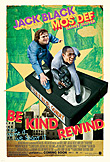
Be Kind Rewind
Release Date: April 4, 2008
Director: Michel Gondry
Writer: Michel Gondry
Cast: Jack Black, Mos Def, Danny Glover, Mia Farrow, Melonie Diaz, Irv Gooch, Chandler Parker
Frequently asked questions about Mia Farrow
Who is Mia Farrow?, Mia Farrow biography, Mia Farrow life story, Mia Farrow age, Mia Farrow facts, Mia Farrow birthplace, Mia Farrow photos, Mia Farrow videos, Mia Farrow career
Related Biographies




Lamine Yamal
Professional footballer

Kylian Mbappe
Professional footballer

Erling Haaland
Professional footballer

Sam Altman
Entrepreneur, Investor, CEO

Bad Bunny
Rapper, Songwriter

Brad Pitt
Actor


Hongjoong
Singer, Rapper, Songwriter, Composer

Ludacris
Rapper, Actor

Kwon Eunbi
Singer

Sarah Wayne Callies
Actress, Screenwriter, Producer, Director

LaTavia Roberson
Singer, Actress, Entrepreneur
Erling Haaland
Professional footballer

Tim Berners Lee
Computer Scientist, Professor

Tim Roth
Actor, Director

Delcy Rodriguez
Politician, Lawyer, Diplomat
Brad Pitt
Actor
Kylian Mbappe
Professional footballer