
Bad Bunny makes history at Super Bowl with all-Spanish halftime show
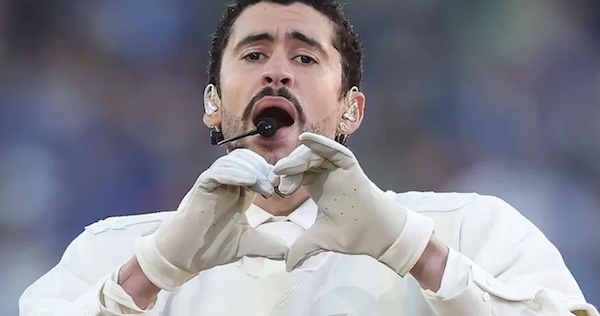
At the 60th Super Bowl halftime show, Bad Bunny delivered a landmark performance that reshaped expectations of American pop culture’s biggest stage. Performing entirely in Spanish, the global superstar turned the event into a celebration of Puerto Rican identity, resilience and pride.
As dusk settled over Santa Clara, Bad Bunny emerged onto a stage transformed into a stylized Puerto Rican landscape. Sugarcane fields, domino tables, traditional straw hats and a shaved-ice stand evoked the everyday life of the island. In that moment, Benito Antonio Martínez Ocasio carried the spirit of Puerto Rico from the Caribbean to Levi's Stadium, signaling what many viewers already sensed would be a historic night for Latino representation.
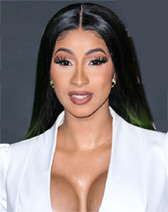
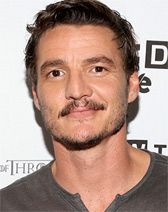
He opened with crowd favorites including “Tití Me Preguntó” and “Yo Perreo Sola,” later reappearing atop a set designed to resemble a lively house party in San Juan. Celebrities such as Cardi B, Jessica Alba, Pedro Pascal, Karol G, Young Miko, Ronald Acuña Jr., Alix Earle and Dave Grutman joined the celebration, amplifying the festive atmosphere. A brief nod to Daddy Yankee’s “Gasolina” paid tribute to the reggaeton pioneers who paved the way for his global rise.
A message of belief and perseverance
Midway through the show, Bad Bunny paused to address the audience in Spanish.
My name is Benito Antonio Martínez Ocasio. If I am standing on the Super Bowl stage tonight, it is because I never stopped believing in myself. Believe in yourselves — you are worth more than you think. Bad Bunny
The speech underscored the emotional core of the performance: a reminder that cultural identity and personal ambition can coexist on the world’s grandest platforms.
A real wedding unfolds on stage
In one of the night’s most unexpected moments, a real wedding ceremony took place during the show. As an officiant declared the couple married, the bride and groom kissed while dancers and musicians applauded around them. Shortly after, Lady Gaga appeared on stage alongside the Puerto Rican salsa group Los Sobrinos. Lady Gaga performed a segment of “Die With a Smile,” while Bad Bunny transitioned into “Baile Inolvidable.”
Representatives later confirmed that the ceremony was legally binding. The unnamed couple had invited Bad Bunny to their wedding, and he countered with a bold suggestion: hold it during the Super Bowl halftime show. He even signed the marriage certificate as a witness. A traditional wedding cake stood onstage, reinforcing the show’s intimate neighborhood-plaza aesthetic.
Social commentary through music
After a quick costume change, Bad Bunny returned in a crisp white suit reminiscent of classic salsa performers. He performed “NuevaYol” and “Baile Inolvidable” before welcoming Ricky Martin to the stage. Ricky Martin’s rendition of “Lo Que Le Pasó a Hawaii” highlighted concerns about gentrification in Puerto Rico.
Visual elements deepened the message: performers climbing utility poles and simulated transformer explosions referenced the island’s ongoing energy crisis. The imagery led seamlessly into “El Apagón,” evoking lingering frustrations after Hurricane Maria and broader political grievances.
The show reached its emotional peak when Bad Bunny raised the red, white and blue Puerto Rican flag. Switching briefly to English, he concluded with “God Bless America,” then listed countries across Latin America before adding, “And my homeland, Puerto Rico — we are still here.”
A moment of national pride in Puerto Rico
Across San Juan and beyond, watch parties fell silent as halftime began. For many Puerto Ricans, the 13-minute performance carried more weight than the game itself.
Just a decade ago, Bad Bunny worked as a supermarket cashier. His ascent to the Super Bowl stage ignited a wave of pride across the island. “This is the biggest show of his life,” said 55-year-old Amarilys Reyes while watching from the capital.
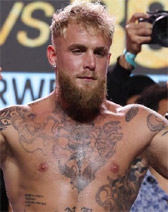
Not everyone was supportive. YouTuber Jake Paul criticized the appearance online, questioning the artist’s patriotism. Puerto Ricans swiftly responded on social media, reminding critics that Puerto Ricans are U.S. citizens.
For 36-year-old San Juan resident Carlos Ayala, the performance was transformative. “Bringing all Latinos together and representing everyone equally was extraordinary,” he said. Juliana Santiago, 35, described the show as proof that perseverance can turn distant dreams into reality.
By the end of the night, Bad Bunny had done more than headline a halftime show. He transformed a football spectacle into a global statement about culture, identity and belonging — and ensured that Puerto Rico’s voice resonated far beyond the stadium walls.
Related Biographies
Related News

Lamine Yamal
Professional footballer,

Kylian Mbappe
Professional footballer,

Erling Haaland
Professional footballer,

Sam Altman
Entrepreneur, Investor, CEO,

Austin Abrams
Actor,

Bad Bunny
Rapper, Songwriter,


Hongjoong
Singer, Rapper, Songwriter, Composer

Ludacris
Rapper, Actor

Kwon Eunbi
Singer

Sarah Wayne Callies
Actress, Screenwriter, Producer, Director

LaTavia Roberson
Singer, Actress, Entrepreneur

Pedro Sanchez
Politician

Adam Sandler
Actor

Cillian Murphy
Actor
Austin Abrams
Actor
Lamine Yamal
Professional footballer

Brad Pitt
Actor