
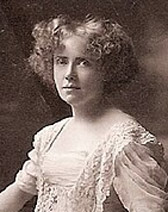
Antoinette Perry
Broadway’s Honor Bearer and the Woman Behind the Tony Awards
Born on June 27, 1888
Died on June 28, 1946
Age at death: 58
Profession: Actress, Director
Place of Birth: Denver, Colorado, United States
Place of Death: New York City, United States
Mary Antoinette “Tony” Perry was an American actress, theatre producer, director, and executive whose influence shaped Broadway both on stage and behind the scenes. As a co-founder and secretary of the American Theatre Wing, she became the namesake of the Antoinette Perry Awards for Excellence in Broadway Theatre, universally known today as the Tony Awards. Her career bridged performance, leadership, and institutional legacy at a formative moment in American theatre history.
Early Life and Introduction to Theatre
Antoinette Perry was born on 27 June 1888 in Denver, Colorado, United States. She grew up immersed in theatre culture, inspired by her aunt Mildred Hall and uncle George Wessels, both respected touring actors. At the age of eleven, she made her first stage appearance at the Elitch Theatre near Denver.
Theatre manager Mary Elitch later recalled that Perry’s early performance foreshadowed both a distinguished acting career and her future success as a producer and theatre owner in New York. Although her father, William Perry, opposed an acting career, he supported her musical education and sent her to the Miss Ely School in New York, where she studied voice and piano.
Early Acting Career
Despite her father’s reservations, Antoinette Perry made her professional stage debut on 12 June 1904 at the Elitch Theatre in the play Olympe, credited as the “Fifth Actress.” In 1905, she appeared in Mrs. Temple’s Telegram in Chicago, followed by her first New York performance the following year.
In 1906, she was discovered by David Warfield and joined his theatre company, performing opposite him in The Music Master. She later appeared in David Belasco’s production A Grand Army Man at the Stuyvesant Theatre, now known as the Belasco Theatre. By the age of eighteen, she was recognized as one of the rising talents of the American stage.
Marriage and Temporary Withdrawal from the Stage
At the height of her acting career, Antoinette Perry married Denver businessman Frank W. Frueauff in 1909 and withdrew from professional acting. The marriage marked a prolonged hiatus from theatre until Frueauff’s death from a heart attack in 1922.
Following this personal loss, Perry returned to theatre with renewed determination, entering the most influential phase of her career.
Director, Producer, and Broadway Power Broker
During the 1920s, Antoinette Perry emerged as a formidable force behind the scenes. She performed in plays such as Zona Gale’s Mr. Pitt and earned critical acclaim for her role in Minick by George S. Kaufman and Edna Ferber.
From 1928 onward, she increasingly focused on directing and producing. In collaboration with Brock Pemberton, she was responsible for numerous successful Broadway productions, including Divorce Me, Dear, Ceiling Zero, Red Harvest, Strictly Dishonorable, Personal Appearance, Kiss the Boys Goodbye, and Janie.
Harvey and Critical Acclaim
Antoinette Perry achieved her greatest artistic success as the director of Harvey, the Pulitzer Prize–winning play by Mary Chase. The production became a major Broadway hit and later achieved international fame through its film adaptation starring James Stewart.
Critics noted that Perry’s work stood out in an era when women were often marginalized behind the scenes, recognizing her as one of the most capable and authoritative directors American theatre had produced.
American Theatre Wing and Wartime Leadership
During World War II, Antoinette Perry played a crucial role as a founding leader of the American Theatre Wing. The organization operated Stage Door Canteens, providing meals, entertainment, and morale support to American servicemen.
Her leadership, fundraising ability, and personal generosity were instrumental in sustaining these efforts, solidifying her reputation not only as an artist but also as a civic and cultural leader.
Legacy and the Birth of the Tony Awards
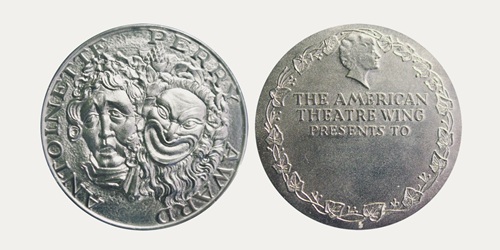
After her death, colleagues moved to honor Antoinette Perry’s contributions to American theatre. At the suggestion of Brock Pemberton, the American Theatre Wing established an annual awards program in her name.
Since 1947, the Antoinette Perry Awards—commonly known as the Tony Awards—have become the most prestigious honors in American theatre, symbolizing excellence on Broadway and ensuring Perry’s lasting legacy.
Death
Antoinette Perry remained passionately devoted to theatre throughout her life, often at personal and financial cost. A devout Christian Scientist, she declined medical treatment despite ongoing heart problems.
She died of a heart attack on 28 June 1946, one day after her 58th birthday. She was buried at Woodlawn Cemetery in the Bronx, New York.
Source: Biyografiler.com
Frequently asked questions about Antoinette Perry
Who is Antoinette Perry?, Antoinette Perry biography, Antoinette Perry life story, Antoinette Perry age, Antoinette Perry facts, Antoinette Perry birthplace, Antoinette Perry photos, Antoinette Perry videos, Antoinette Perry career
Related Biographies

Lamine Yamal
Professional footballer

Erling Haaland
Professional footballer

Austin Abrams
Actor

Keanu Reeves
Actor

Kylian Mbappe
Professional footballer

Bad Bunny
Rapper, Songwriter


Hongjoong
Singer, Rapper, Songwriter, Composer

Ludacris
Rapper, Actor

Kwon Eunbi
Singer

Sarah Wayne Callies
Actress, Screenwriter, Producer, Director

LaTavia Roberson
Singer, Actress, Entrepreneur
Keanu Reeves
Actor

Demi Moore
Actress

Leonardo DiCaprio
Actor

Kim Jong-un
Politician

Haruki Murakami
Novelist, Writer
Bad Bunny
Rapper, Songwriter