
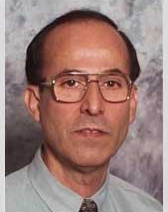
Mario Prada
Italian businessman and co-founder of the luxury fashion brand Prada. In 1913, he established Fratelli Prada with his brother Martino in Milan. The company initially specialized in leather handbags, travel trunks and accessories before developing into an international fashion house under later generations of the Prada family.
Born on -
Died on 1958
Age at death: -
Profession: Businessperson, Fashion Designer
Place of Birth: Milan, Italy
Place of Death: Italy
Mario Prada (died 1958) was an Italian fashion entrepreneur and leather goods designer who co-founded the Prada brand with his brother Martino Prada in Milan in 1913. Originally established as Fratelli Prada, the business specialized in leather handbags, travel trunks and luxury accessories. In 1919, the company became an official supplier to the Italian Royal Household. Following Mario Prada's death, the business was managed by his daughter Luisa Prada and later transformed into an international fashion house under his granddaughter Miuccia Prada and her business partner Patrizio Bertelli.
Early Life and Background
Mario Prada was born in Milan, Italy, during the late nineteenth century. His exact date of birth has not been reliably established. He grew up in an Italian family and entered the leather goods trade during a period when Milan was developing as a commercial center for fashion and luxury products.
His brother Martino Prada also worked in the leather goods business. The two brothers eventually established a company specializing in travel accessories and leather products.
Founding of Prada in 1913
In 1913, Mario Prada and his brother Martino Prada founded Fratelli Prada, meaning "Prada Brothers," in Milan. Their first store opened in the Galleria Vittorio Emanuele II, a shopping arcade near Milan Cathedral.
The shop sold leather handbags, travel trunks, suitcases, beauty cases and other accessories. Its merchandise included imported English leather goods and travel items alongside products produced by Italian craftsmen.
Mario Prada concentrated on developing the company's leather goods business, offering travel accessories and products made from selected materials. The store served customers seeking luggage, handbags and personal accessories.
As the business developed, its range expanded to include footwear and other leather products. Prada attracted customers from Italy and elsewhere in Europe, while its reputation also reached international buyers.
Supplier to the Italian Royal Family
In 1919, Mario Prada's company received the designation of Official Supplier to the Italian Royal Household.
This recognition permitted Prada to incorporate the coat of arms of the House of Savoy and the royal knotted-rope emblem into its brand identity. These elements subsequently became part of the company's trademark.
The royal supplier designation was associated with the company's leather products and its clientele among wealthy Italian families.
Management and Family Succession
Mario Prada held traditional views about women's participation in business and reportedly did not initially support female family members taking management positions in the company.
However, his son showed little interest in taking over the family business. His daughter Luisa Prada eventually assumed responsibility for its management following Mario's death in 1958.
Luisa managed the company for approximately two decades, maintaining its retail activities and its focus on leather goods and accessories.
Her daughter, Miuccia Prada, began working in the family business during the early 1970s. She assumed leadership in 1978, becoming the third generation of the family to manage the company.
Development of Prada Under Miuccia Prada
Following the period of management by Mario Prada and his daughter Luisa, the company underwent substantial changes under his granddaughter Miuccia Prada.
Miuccia studied political science and had an interest in theater before becoming involved in fashion. In the 1970s, she began experimenting with new materials and approaches to accessories.
She collaborated with Patrizio Bertelli, an Italian entrepreneur involved in leather goods manufacturing. Their professional partnership began during the 1970s and combined Miuccia's design work with Bertelli's experience in production and business management. They married in 1987.
During the 1980s, Miuccia developed handbags and backpacks made from water-resistant nylon, including the Pocono nylon backpack introduced in 1984. The use of an industrial material in luxury accessories became associated with Prada's changing design approach.
The company introduced its first women's ready-to-wear collection in 1988, extending its operations beyond leather goods and accessories. Prada subsequently expanded its retail network internationally, opening stores in major fashion markets.
Death
Mario Prada died in Italy in 1958. His exact place of death is not consistently documented in available biographical records.
The company he founded in 1913 remained under family management, passing first to his daughter Luisa and subsequently to his granddaughter Miuccia. Its original business in leather goods provided the foundation for its later expansion into clothing, footwear and other luxury products.
Source: Biyografiler.com
Frequently asked questions about Mario Prada
Who is Mario Prada?, Mario Prada biography, Mario Prada life story, Mario Prada age, Mario Prada facts, Mario Prada birthplace, Mario Prada photos, Mario Prada videos, Mario Prada career
Related Biographies

Lamine Yamal
Professional footballer

Brad Pitt
Actor

Erling Haaland
Professional footballer

Leonardo DiCaprio
Actor

Kylian Mbappe
Professional footballer

Sam Altman
Entrepreneur, Investor, CEO

Marc Andreessen
Engineer, Entrepreneur

Manuel Pellegrini
Football Manager, Former Professional Footballer

Manuel Neuer
Professional footballer

Malin Maria Akerman
Model, Actress

Malcolm McDowell
Actor, Voice Actor

Margaret Mitchell
Novelist, Journalist

Aidan Gillen
Actor

Mario Puzo
Novelist, Screenwriter

Adam Sandler
Actor
Brad Pitt
Actor
Manuel Neuer
Professional footballer
Margaret Mitchell
Novelist, Journalist