
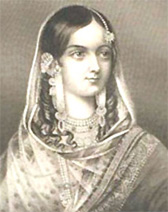
Mumtaz Mahal
Mughal empress and chief consort of Emperor Shah Jahan, the fifth ruler of the Mughal Empire. Born Arjumand Banu Begum, she was commemorated through the construction of the Taj Mahal in Agra.
Born on April 27, 1593
Died on June 17, 1631
Age at death: 38
Profession:
Place of Birth: Agra, Mughal Empire (present-day India)
Place of Death: Burhanpur, Mughal Empire (present-day India)
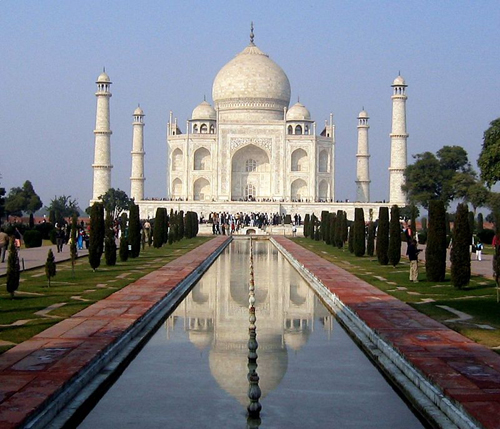
Mumtaz Mahal (1593–1631), born Arjumand Banu Begum, was the third wife and chief consort of Shah Jahan, the fifth emperor of the Mughal Empire. Following her death in 1631, Shah Jahan commissioned the Taj Mahal in Agra, India, as her mausoleum. The white marble monument was designated a UNESCO World Heritage Site in 1983.
Early Life and Family
Mumtaz Mahal was born on April 27, 1593, in Agra, in the Mughal Empire. Her birth name was Arjumand Banu Begum. She belonged to a Persian-origin noble family whose members held senior positions at the Mughal court.
Her father, Abdul Hasan Asaf Khan, was the son of Mirza Ghiyas Beg, also known as Itimad-ud-Daulah, who served under Emperor Jahangir. Her aunt, Nur Jahan, was one of Jahangir's wives and held considerable influence at the imperial court.
Marriage to Shah Jahan
Mumtaz Mahal married Prince Khurram, later known as Emperor Shah Jahan, on May 10, 1612. She was his third wife and became his principal consort after he ascended the Mughal throne in 1628.
Arjumand Banu Begum received the title Mumtaz Mahal, generally translated as "Chosen One of the Palace" or "Exalted One of the Palace."
During their marriage, the couple had fourteen children, seven of whom survived their mother. Their children included Jahanara Begum, Dara Shikoh, Shah Shuja, Aurangzeb and Gauhara Begum.
Mumtaz Mahal frequently accompanied Shah Jahan on military campaigns and journeys throughout the empire. The emperor also entrusted her with his imperial seal, an indication of her position and responsibilities within the royal household.
Death in Burhanpur
In 1631, Mumtaz Mahal accompanied Shah Jahan on a military campaign in the Deccan region despite being in the final stages of pregnancy. While the imperial court was staying in Burhanpur, she gave birth to their fourteenth child, a daughter named Gauhara Begum.
She died on June 17, 1631, at the age of thirty-eight, following complications from childbirth.
Her body was initially buried in a temporary grave in Burhanpur. Approximately six months later, her remains were transferred to Agra, where they were temporarily interred while the permanent mausoleum was being constructed.
Construction of the Taj Mahal
Following the death of Mumtaz Mahal, Shah Jahan commissioned the construction of the Taj Mahal on the banks of the Yamuna River in Agra. Construction began in 1632.
The main marble mausoleum was completed around 1648. Work on the surrounding gardens, gateways and other buildings continued until approximately 1653. Thousands of craftsmen, artisans, stonecutters and calligraphers participated in the project.
The complex combines Mughal, Persian and Islamic architectural elements. Its main features include a white marble dome, four minarets, ornamental stone inlays and symmetrical gardens.
In 1658, Shah Jahan was deposed by his son Aurangzeb and confined in Agra Fort. After his death in 1666, Shah Jahan was buried beside Mumtaz Mahal inside the Taj Mahal.
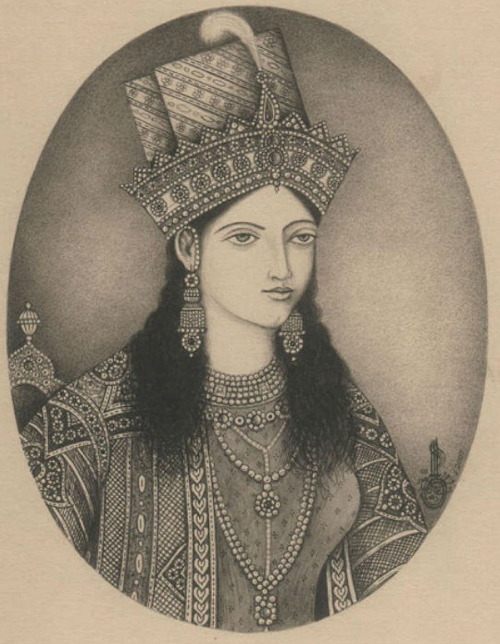
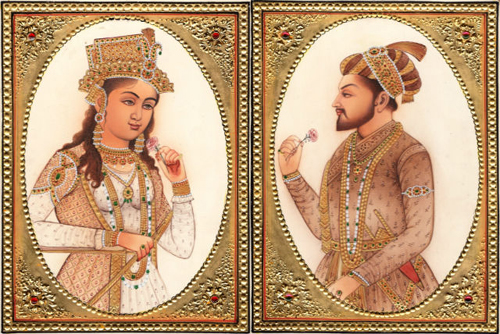
Source: Biyografiler.com
Frequently asked questions about Mumtaz Mahal
Who is Mumtaz Mahal?, Mumtaz Mahal biography, Mumtaz Mahal life story, Mumtaz Mahal age, Mumtaz Mahal facts, Mumtaz Mahal birthplace, Mumtaz Mahal photos, Mumtaz Mahal videos, Mumtaz Mahal career

Lamine Yamal
Professional footballer

Brad Pitt
Actor

Erling Haaland
Professional footballer

Leonardo DiCaprio
Actor

Kylian Mbappe
Professional footballer

Sam Altman
Entrepreneur, Investor, CEO

Miranda Kerr
Model

Miroslav Klose
Football Manager, Former Professional Footballer

Mischa Maisky
Cellist

Misha Collins
Actor

Mitch McConnell
Politician, Lawyer

Mladen Petric
Former Professional Footballer
Lamine Yamal
Professional footballer

Erling Haaland
Professional footballer

Abbie Cornish
Actress

M. Stanley Whittingham
Chemist

Morrissey
Singer, Songwriter